

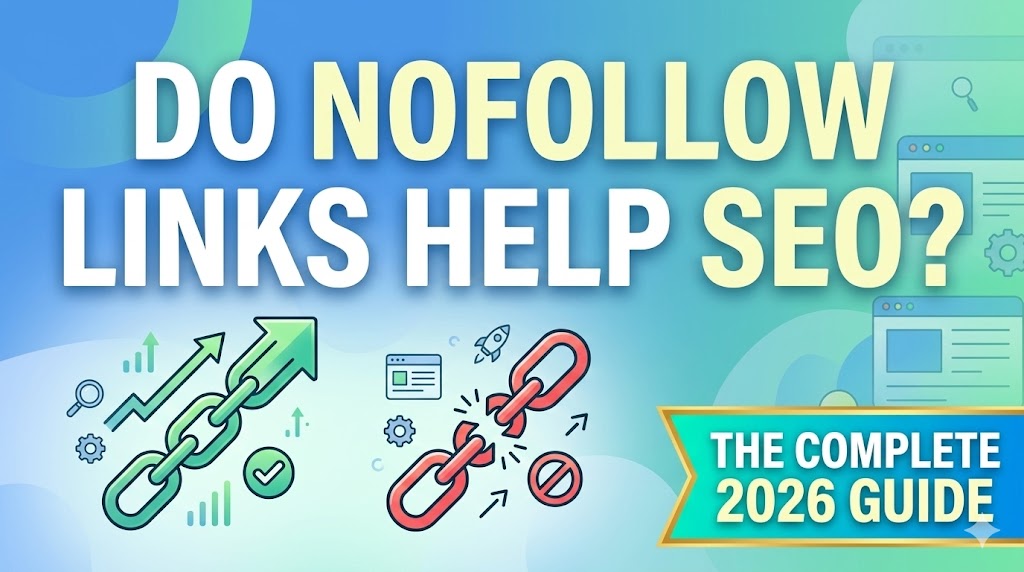
Nofollow links can be an incredibly confusing concept for website owners and marketers. While building backlinks remains an essential pillar of search engine optimization, not every link is created equal or carries the same weight.
This brings up a persistent controversy in the digital marketing world: Do nofollow links actually contribute to SEO, or are they just useless code?
According to Wikipedia, Google handles roughly 90% of all search queries worldwide, making your link-building strategy absolutely crucial for search visibility.
By understanding exactly how nofollow links work, you can utilize them strategically to increase referral traffic, build brand credibility, and maintain a highly natural link profile without ever risking search engine penalties.
What Is a Nofollow Link in SEO?
A nofollow link refers to a hyperlink that includes the rel="nofollow" tag within its HTML code. This specific tag sends a direct signal to search engines telling them not to pass PageRank (or link authority) from your website to the linked page.
In essence, it tells Google: “I am linking to this site so users can click it, but I am not officially endorsing it or vouching for its SEO authority.”
Example of a nofollow link in HTML:<a href="https://www.example.com" rel="nofollow">Click Here</a>
In comparison, a dofollow link (which is the default state of any standard link) passes link equity directly to the destination site, actively helping to improve its search engine ranking.
The Difference Between Dofollow and Nofollow Links
To build a balanced, safe SEO strategy, you must understand how these two links function differently.
| Feature | Dofollow Links | Nofollow Links |
| SEO Impact | Passes SEO value directly to the linked site. | Does not pass SEO value directly. |
| Effect on Rankings | Actively helps improve search rankings. | Has no direct, measurable effect on rankings. |
| Common Usage | Trusted, natural editorial links. | Paid ads, blog comments, social media, forums. |
| Search Engine Crawling | Followed and heavily indexed by search bots. | Crawled, but generally ignored for ranking purposes. |
| Primary Benefit | Increases Domain Authority and trust. | Drives referral traffic and prevents spam penalties. |
The Real Value of Nofollow Links for SEO
The simple, technical answer is: nofollow links do not directly improve search rankings. When computing PageRank, Google typically ignores these links. Because of this, many beginners completely write them off.
However, when you look at the larger picture, nofollow links provide immense, indirect SEO value:
- Massive Traffic Generation: A nofollow link on a high-traffic site (like Forbes, Wikipedia, or a popular social media platform) won’t pass SEO “juice,” but it will drive thousands of real human visitors to your site.
- Brand Awareness & Local SEO: Being mentioned on prominent directories, even through nofollow links, drastically enhances brand recognition and complements your local Google Business Profile visibility.
- A Natural Link Profile: Search engines are highly suspicious of websites that only have dofollow links. A 100% dofollow profile looks manipulated and bought. Having a healthy mix of nofollow links proves to Google that your backlink profile was built naturally over time.
- The “Halo Effect”: High-quality referral traffic from a nofollow link often leads to organic shares. If a blogger finds your site via a nofollow social media link and loves your content, they might link to you from their own blog using a dofollow link.
When to Use Nofollow Links on Your Own Site

You should actively use the rel="nofollow" (or rel="sponsored" / rel="ugc") tags on your own website to protect your Domain Authority in the following scenarios:
- Paid or Sponsored Content: You must use nofollow or sponsored tags on any link you were paid to place. Failing to do so violates Google’s Spam Policies.
- User-Generated Content (UGC): You cannot control the quality of links placed by users in your blog comments or forum boards. Nofollowing these prevents your site from accidentally passing authority to spam websites.
- Untrusted Sites: If you must link to a website as an example, but you do not trust their domain, use a nofollow tag to protect your own site’s reputation.
The Verdict: Do You Need Nofollow Links?
Yes. While dofollow links are the engine that drives your direct search rankings, nofollow links are the guardrails that keep your strategy safe, natural, and compliant.
To achieve sustainable, long-term growth, modern marketers must utilize a strategic mix of both. If you need expert guidance balancing your link profile, partner with the specialists at SEO Discovery to ensure your backlink strategy drives maximum organic growth.
Also Read : Long-Tail Keyword Optimization for AI